
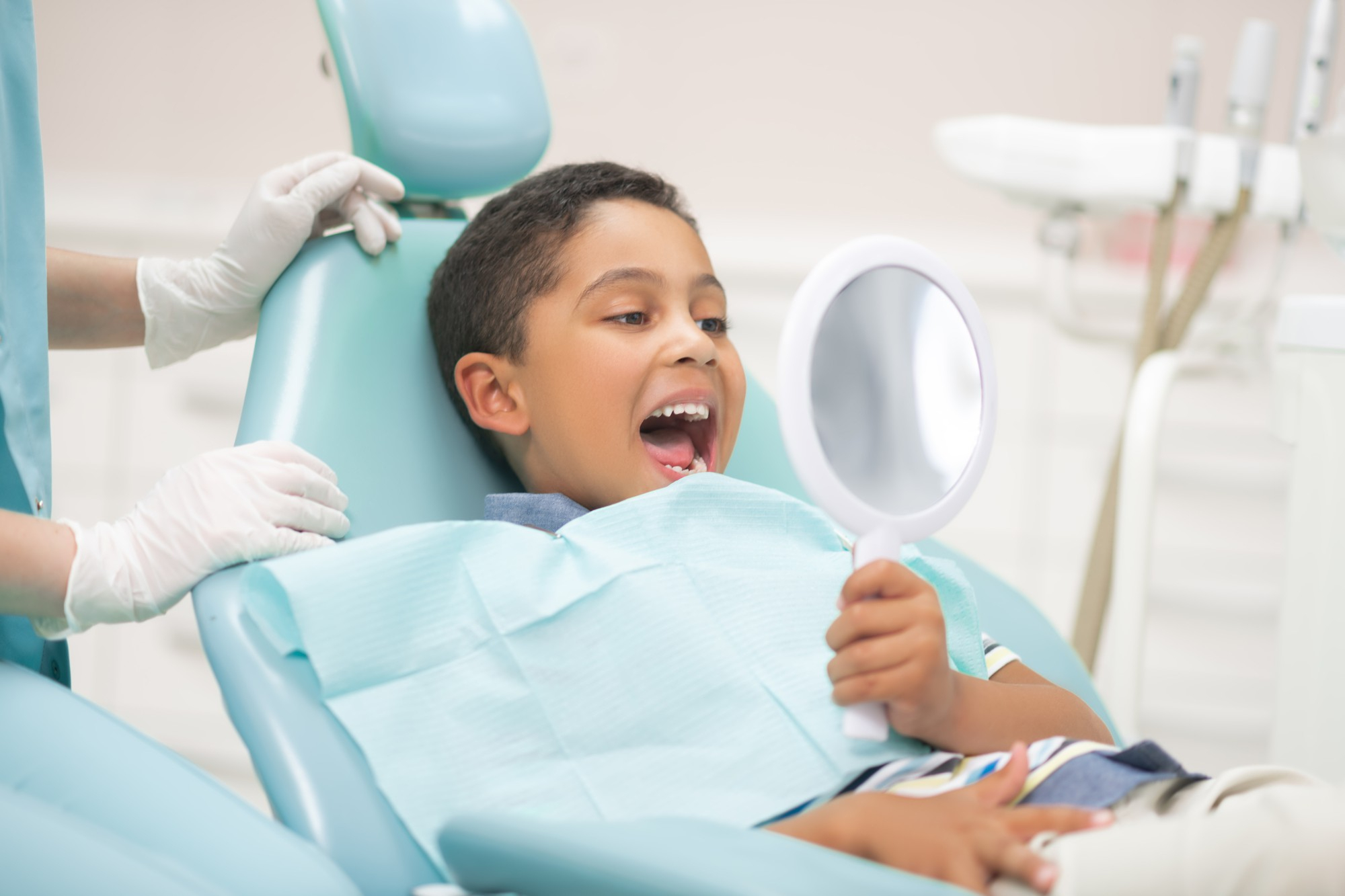
The Department of Pediatric and Preventive Dentistry is dedicated to the prevention, diagnosis, and comprehensive oral healthcare of infants, children, adolescents, and individuals with special health care needs. The department focuses on managing primary and young permanent dentitions, intercepting developing malocclusions, promoting oral health, and enhancing oral function and aesthetics through child-friendly behavioral and clinical therapy. It provides undergraduate and postgraduate education, advanced clinical training, and research opportunities in pediatric dentistry and preventive care.
The department trains students in the diagnosis, prevention, and management of dental caries, pulp pathologies, developmental anomalies, and traumatic dental injuries in children. Clinical and preclinical training includes pediatric dental examination, behavior guidance techniques, plaque control measures, professional scaling, pit and fissure sealants, topical fluoride applications, preventive and interceptive orthodontics, pulp therapy (pulpotomy and pulpectomy) for primary and young permanent teeth, stainless steel crowns, strip crowns, space maintainers, and basic pediatric oral surgery.
The postgraduate program offers advanced training in comprehensive pediatric oral health, child psychology and advanced behavior management (including nitrous oxide inhalation sedation and general anesthesia), comprehensive preventive dentistry, interceptive orthodontics, pediatric endodontics, management of traumatic dental injuries, pediatric periodontal and soft tissue management, management of medically compromised and special needs pediatric patients, and hospital dentistry.
Advanced clinical training includes minimally invasive restorative techniques, Hall technique crowns, full-mouth rehabilitation under general anesthesia, space management, habit-breaking appliances, aesthetic restorations for primary and young permanent teeth, management of developmental dental defects (such as molar-incisor hypomineralization), and early orthodontic intervention. The program also emphasizes the application of preventive protocols, pulp medicaments, bioactive materials, and regenerative endodontics for immature permanent teeth (apexification and revascularization). The curriculum promotes evidence-based practice, research methodology, clinical excellence, digital dentistry, CBCT-based treatment planning, and interdisciplinary patient management.
The department is equipped with modern clinical and research facilities, including child-friendly dental chairs and themed operatories, inhalation sedation (nitrous oxide) units, pediatric endodontic equipment (loupes, apex locators, rotary systems), laser technology, electrosurgery units, digital diagnostic systems, CBCT imaging, intraoral scanners, CAD/CAM technology, and specialized equipment for treating patients with special health care needs.
Pediatric oral health risk assessment, preventive counseling, dietary analysis, professional prophylaxis, pit and fissure sealants, topical fluoride therapy, behavior guidance, preventive and interceptive orthodontic procedures, space maintainers, habit-breaking appliances, pediatric endodontic therapy (pulpotomy/pulpectomy), stainless steel and aesthetic crowns, management of dental trauma, treatment of medically compromised children, and supportive preventive maintenance programs.
The department actively promotes research, scientific publications, clinical trials, systematic reviews, meta-analyses, seminars, journal clubs, case discussions, workshops, conferences, pediatric dental training programs, and continuing dental education programs. Emphasis is placed on innovation, evidence-based pediatric dental therapy, pulp regeneration in immature teeth, early childhood caries (ECC) prevention, laser applications in pediatric dentistry, biomaterials research, oral-systemic health interactions in children, digital dentistry, and interdisciplinary collaboration to advance pediatric dental science and clinical practice.
To achieve excellence in pediatric dental education, research, and patient care by promoting innovation, evidence-based practice, professional ethics, and lifelong learning.
To produce competent dental graduates and skilled pediatric dentists capable of delivering high-quality oral healthcare to children and special needs patients, advancing scientific knowledge through research, and contributing to the improvement of children's oral and systemic health through comprehensive pediatric dental management, innovation, and interdisciplinary collaboration.