
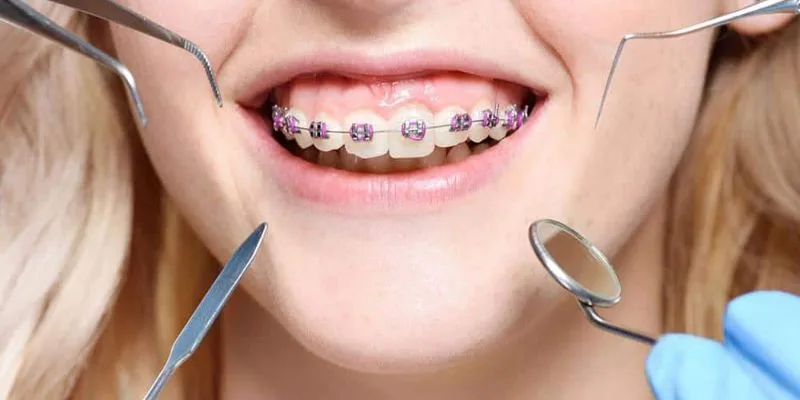
The Department of Orthodontics and Dentofacial Orthopaedics is dedicated to the diagnosis, prevention, interception, and correction of malocclusion and dentofacial deformities. The department focuses on the development of normal occlusion, facial harmony, functional efficiency, and aesthetic improvement through comprehensive orthodontic treatment. It emphasizes the growth and development of craniofacial structures, correction of dental and skeletal discrepancies, and maintenance of long-term oral health. The department provides undergraduate and postgraduate education, advanced clinical training, and research opportunities in contemporary orthodontics and dentofacial orthopaedics.
The department trains undergraduate students in the fundamentals of orthodontics, including the growth and development of the craniofacial complex, development of dentition, normal and abnormal occlusion, classification and diagnosis of malocclusion, and principles of orthodontic treatment. Clinical and preclinical training includes orthodontic history taking, clinical examination, study model analysis, cephalometric analysis, space analysis, diagnosis and treatment planning, preventive and interceptive orthodontics, habit-breaking appliances, removable orthodontic appliances, myofunctional appliances, and basic principles of fixed orthodontic treatment. Students are also introduced to the principles of orthodontic biomechanics, anchorage, retention, and the role of orthodontics in interdisciplinary dental care.
The postgraduate program offers advanced training in the diagnosis and management of complex dental, skeletal, and dentofacial discrepancies. The curriculum includes advanced cephalometrics, craniofacial growth and development, contemporary diagnostic procedures, comprehensive treatment planning, biomechanics, and advanced orthodontic techniques. Clinical training encompasses removable and fixed orthodontic therapy, pre-adjusted edgewise appliance systems, various prescription systems including MBT and Roth, self-ligating appliances, lingual orthodontics, clear aligner therapy, skeletal anchorage systems, temporary anchorage devices (TADs), and advanced myofunctional and functional appliance therapy.
Advanced clinical training includes management of Class I, Class II and Class III malocclusions, deep bite, open bite, crossbite, crowding, spacing, and other complex dentoalveolar and skeletal discrepancies. The program also emphasizes growth modification, dentofacial orthopaedics, serial extraction, impacted tooth management, interdisciplinary orthodontic treatment, cleft lip and palate rehabilitation, orthodontic preparation for orthognathic surgery, and management of adult orthodontic patients. Special emphasis is placed on advanced biomechanics, anchorage control, mini-implant-supported orthodontics, accelerated orthodontic treatment concepts, aligner biomechanics, digital orthodontics, and evidence-based treatment planning. The curriculum promotes research methodology, critical appraisal of scientific literature, clinical excellence, ethical practice, and interdisciplinary patient management.
The department is equipped with clinical and diagnostic facilities to support comprehensive orthodontic education and patient care. These include orthodontic dental chairs and clinical units, diagnostic instruments, study model analysis facilities, cephalometric and panoramic radiographic assessment, orthodontic record-keeping facilities, wire-bending instruments, removable and fixed appliance fabrication facilities, and laboratory support. The department emphasizes the integration of digital diagnostic methods, computer-assisted treatment planning, digital orthodontic records, and contemporary orthodontic technologies wherever available.
The department provides comprehensive orthodontic services, including orthodontic screening, diagnosis and treatment planning, preventive and interceptive orthodontics, removable appliance therapy, fixed orthodontic treatment, functional and myofunctional appliance therapy, growth modification, correction of dental and skeletal malocclusions, management of impacted teeth, space management, habit-breaking appliance therapy, and retention procedures. Treatment services also include aesthetic orthodontics, clear aligner therapy, management of adult orthodontic patients, correction of complex dentofacial deformities, interdisciplinary orthodontic care, and orthodontic preparation for orthognathic surgery.
The department actively promotes research, scientific publications, clinical studies, systematic reviews, seminars, journal clubs, case discussions, workshops, conferences, and continuing dental education programs. Emphasis is placed on innovation and evidence-based orthodontic practice, craniofacial growth research, contemporary orthodontic biomechanics, skeletal anchorage, clear aligner therapy, digital orthodontics, three-dimensional imaging, interdisciplinary treatment approaches, and advances in dentofacial orthopaedics. The department encourages postgraduate and undergraduate students to participate in academic activities, scientific presentations, and research initiatives to enhance their clinical knowledge and professional competence.
To achieve excellence in orthodontic education, research, and patient care by promoting innovation, evidence-based treatment, advanced clinical skills, and the development of healthy, functional, and aesthetically balanced smiles.
To produce competent dental graduates and skilled orthodontists capable of diagnosing and managing a wide range of dental and dentofacial abnormalities. The department is committed to delivering comprehensive, ethical, and patient-centred orthodontic care, advancing scientific knowledge through research, adopting modern orthodontic technologies, and contributing to improved oral health, facial aesthetics, and overall quality of life through interdisciplinary collaboration.